






Game-Based Learning
Checkmate uses interactive simulations to teach climate literacy and civic responsibility, turning complex challenges into engaging, strategic gameplay.
Youth Empowerment
The project centers young voices, equipping them with knowledge and tools to take meaningful action on climate and community issues.
Cross-Sector Collaboration
Combining expertise from education, environment, and civic sectors, Checkmate fosters innovation through diverse European partnerships.
Real-World Impact
Beyond the screen, the project’s Living Labs and multiplier events drive practical, local action rooted in the game’s learning outcomes.
ABOUT THE PROJECT
The Checkmate project – “Living Labs and Game-Based Learning to Checkmate Climate Misinformation”
Transnational initiative funded by the Erasmus+ programme (KA220-YOU), designed to strengthen youth workers’ competences and equip young people with critical thinking tools to combat climate misinformation. In the face of growing disinformation, particularly around climate change and sustainability, the project responds with innovative, educational, and participatory tools. It leverages the power of game-based learning and Living Labs to foster environmental literacy, empower youth engagement, and promote fact-based narratives on climate issues.
Today’s youth navigate an information-rich digital world, where climate change is frequently misrepresented. The spread of false or misleading environmental claims— whether through social media, unverified influencers, or interest-driven narratives— can cause confusion, apathy, or even denial of climate action.
Results that Matter
The Checkmate project empowered young people across Europe through innovative tools, immersive game-based learning, and civic engagement initiatives. Explore how strategic thinking, collaboration, and climate-conscious action translated into real-world impact.

Climate Myth-Busting Challenge
An interactive, gamified quiz presenting 30 common climate myths. Designed for young audiences, it encourages critical thinking by having players determine if statements are true or false, followed by explanations that debunk myths and explain why misinformation spreads.

Fact-Checking Toolkit
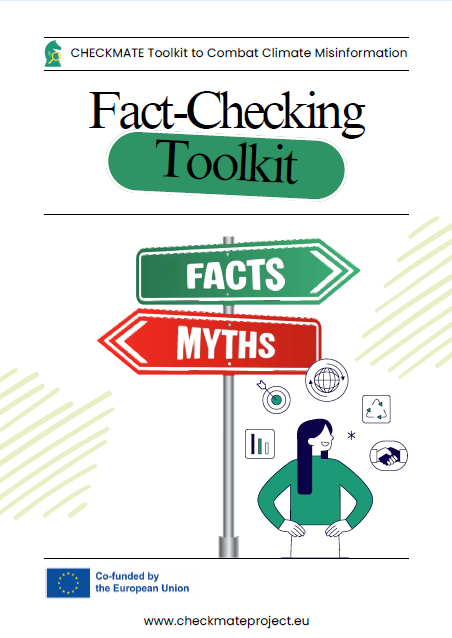
A comprehensive resource for youth workers that includes guides, exercises, and digital tools to help verify climate-related information. It features a curated list of fact-checking websites and apps, practical instructions for use in educational settings, and examples of commonn climate myths with debunking techniques.

Multi-Role Simulation
A simulation game that immerses participants in scenarios where they must navigate and debunk climate misinformation to improve their real-world ability to engage with climate issues.
game-based
Living Labs
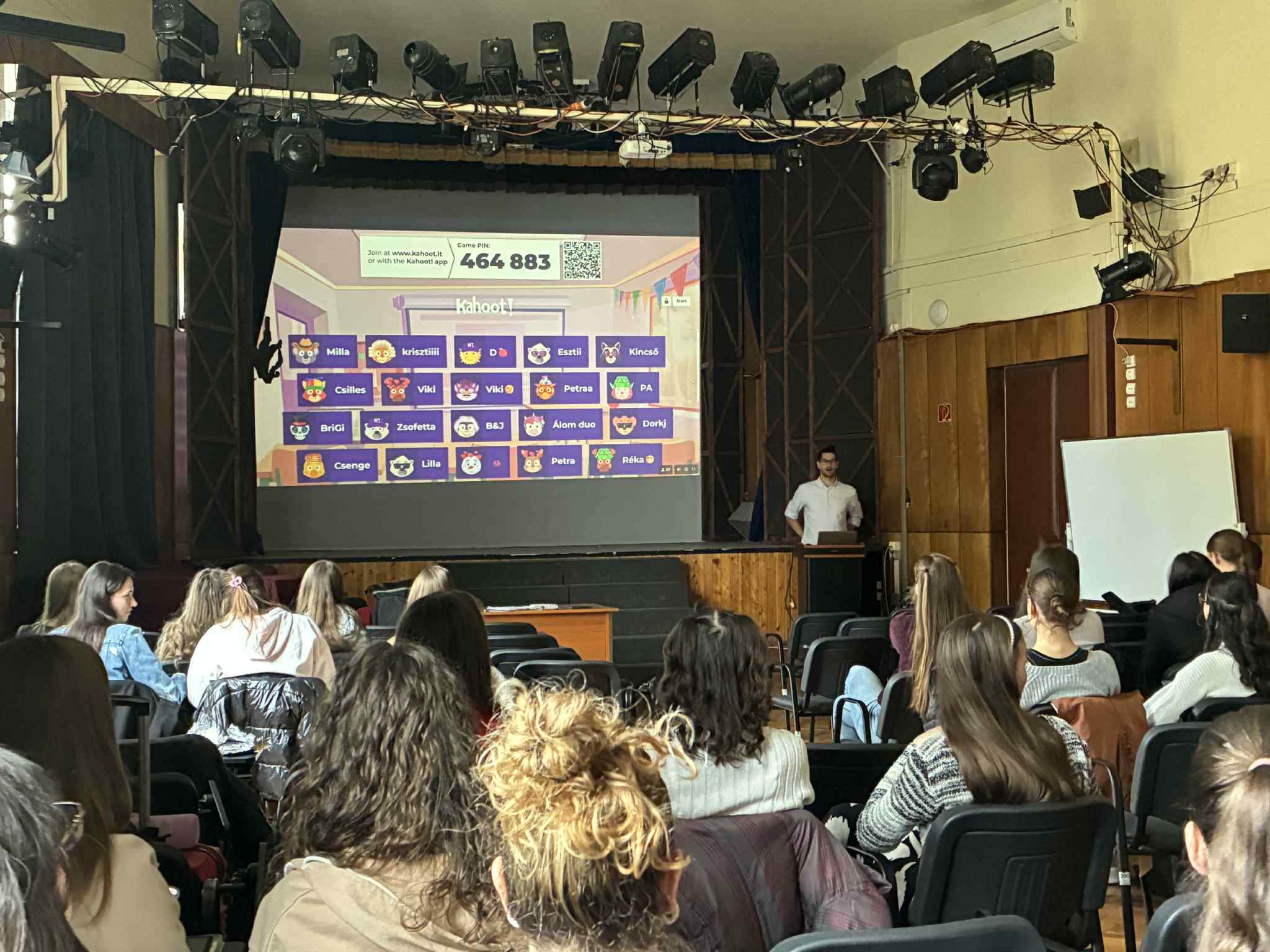
Immersive, hands-on environments where young people step into simulated civic roles to tackle real-world climate challenges. Building on the Checkmate simulation game, these labs invite participants to engage in collaborative decision-making, propose solutions, and reflect on the complexities of sustainability and policy-making. By blending gameplay with practical community engagement, the Living Labs foster active citizenship, critical thinking, and leadership in climate action.
Objectives
The overall objective is to increase the capacity of youth workers and youth organisations to combat climate misinformation by co-creating, testing, and disseminating innovative educational tools and participatory learning methods based on game-based learning and Living Labs..
Equip youth workers with critical competences and practical tools to recognize, respond to, and educate about climate misinformation in their local communities;
Develop non-formal, game-based learning tools to foster fact-based, engaging, and interactive education on climate topics;
Design and implement Living Labs, offering experiential, collaborative spaces for young people to explore environmental issues and misinformation;
Strengthen transnational cooperation among youth organisations working on sustainability, education, and digital literacy;
Target group
Our primary target group is young people aged 15 to 25 who are digitally active, environmentally conscious, and eager to engage in civic life. While passionate about climate issues, they are also vulnerable to misinformation—making education, critical thinking, and empowerment central to our mission.
Youth Workers
Who are actively involved in non-formal education and training, particularly areas related to youth development, digital literacy, and environmental education. These youth workers are often employed by or collaborate with youth organizations that provide training, support, and informal learning opportunities for young people (Training for 100+ youth workers).
Young People
This group includes young people, aged 15-25, who are digitally engaged and concerned about climate change but are also vulnerable to misinformation. They may be students, young professionals or individuals participating in non-formal education programs (Engaging 400+ young people).
Partnership
The Checkmate partnership unites a diverse group of organizations across Europe, combining expertise in youth education, environmental advocacy, and digital innovation. Together, they collaborate to empower young people with the skills, tools, and experiences needed to tackle climate misinformation and drive civic action.

Ecological Future Education
Latvia
EMOTIC
Austria

ROES Cooperativa
Greece
Szatyor Association
Hungary
ACDC
Romania
Latest news from our blog
Catch up on the latest insights, stories, and updates from the Checkmate project. From youth-led initiatives to climate education breakthroughs, our blog highlights the voices, tools, and actions shaping a more informed and sustainable future.
contact information
Skolas 1-12, Gulbene, Latvia
+371 29644110
info@efe.lv
Funded by the European Union. Views and opinions expressed are however those of the author(s) only and do not necessarily reflect those of the European Union or the European Education and Culture Executive Agency (EACEA). Neither the European Union nor EACEA can be held responsible for them.