






Teaching others about climate change has become just as much about communication as it is about science. We live in a world where information moves fast, and not all of it is accurate. Misleading posts, oversimplified claims, and outright falsehoods spread quickly through social media, influencers, and even casual conversations. All of this shapes how people understand the climate crisis, sometimes in ways that make meaningful action harder.
That’s why teaching climate change today means helping people navigate this noisy information landscape. It starts with building awareness and encouraging critical thinking. Many common misconceptions, like the idea that a cold winter disproves global warming or that CO₂ can’t be harmful because it’s “natural”, come from misunderstandings rather than bad intentions. Helping people pause and ask simple questions such as who the source is, whether there’s evidence, and whether other reliable sources agree can already shift the way they process information. These small habits slowly turn passive readers into active, thoughtful participants.
Equally important is creating spaces where people feel comfortable talking about climate issues. Most people are more open to learning when they don’t feel judged or dismissed. Instead of correcting someone right away, it often works better to start with curiosity: asking where they heard something or what makes it sound convincing. Community workshops, school activities, or informal local events can offer these kinds of safe environments. When discussions use examples from everyday life or familiar online content, climate topics feel less abstract and more connected to people’s real experiences.
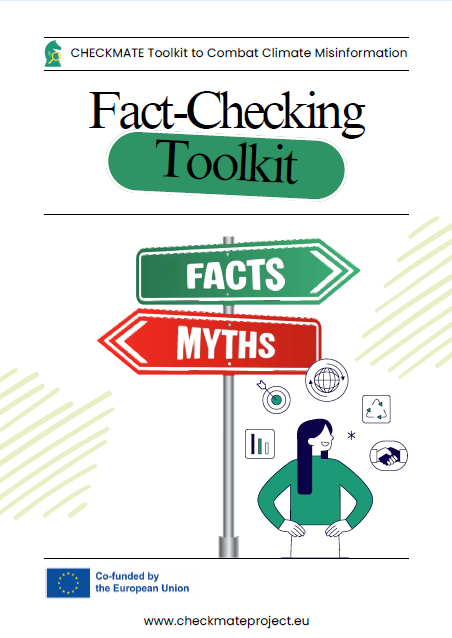
To support this kind of learning, the CHECKMATE project developed a Fact‑Checking Toolkit that gives young people and educators practical ways to recognize and respond to climate misinformation. It includes myth‑busting explanations, interactive exercises, and guidance on how to verify claims using trustworthy sources. For instance, it shows how extreme weather events are increasingly linked to global warming, countering the idea that they’re unrelated. It also explains that although Earth’s climate has changed naturally in the past, the rapid warming we see today is largely driven by human activity. These concrete examples make complex scientific ideas easier to understand and easier to explain to others.
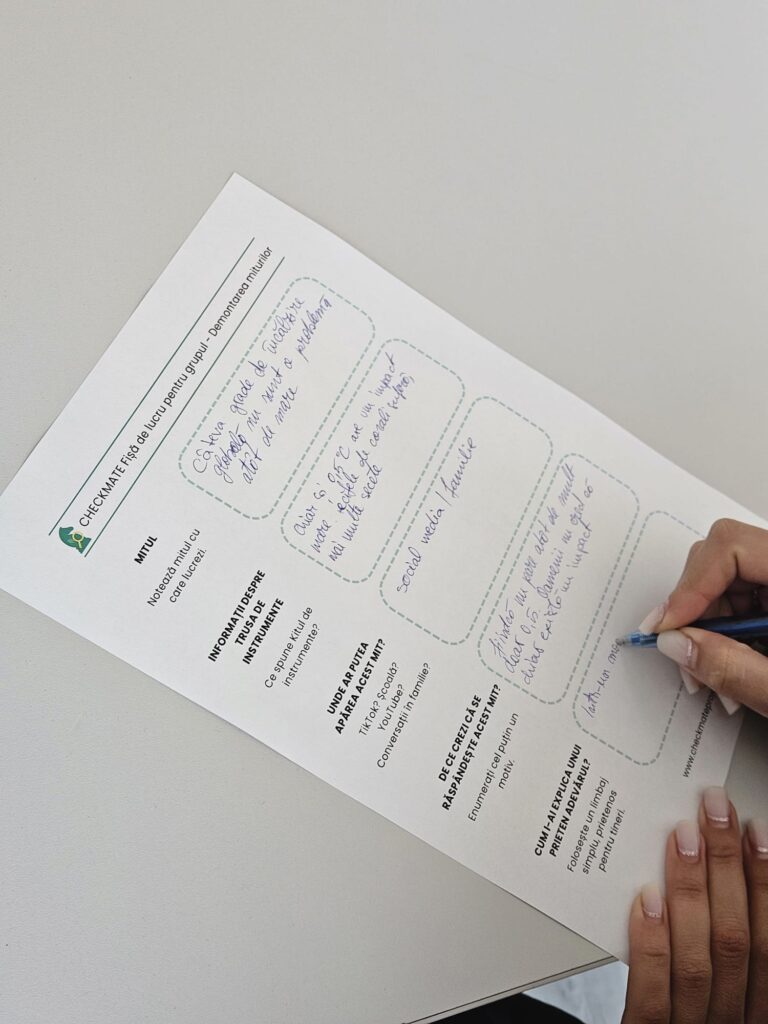
Practicing fact‑checking together can be especially powerful. The toolkit suggests a simple process: choose a claim, look for evidence, compare sources, and discuss what you find. Doing this in groups helps people build confidence, not just in identifying misinformation, but in talking about it with others. It turns learning into a shared experience rather than a lecture.
Ultimately, the goal is not only to help people understand climate change but to empower them to share that understanding. When someone corrects a myth in a conversation, posts accurate information online, or organizes a small workshop, they help create a ripple effect. Knowledge spreads, and communities become more resilient against misinformation.

No responses yet