






In conversations about climate change, misinformation often feels abstract, something that spreads online or through media narratives. But for green entrepreneurs working directly with materials, communities, and everyday practices, misinformation becomes very tangible. It shapes how people understand their work, how much they trust it, and whether they choose to engage with it at all.
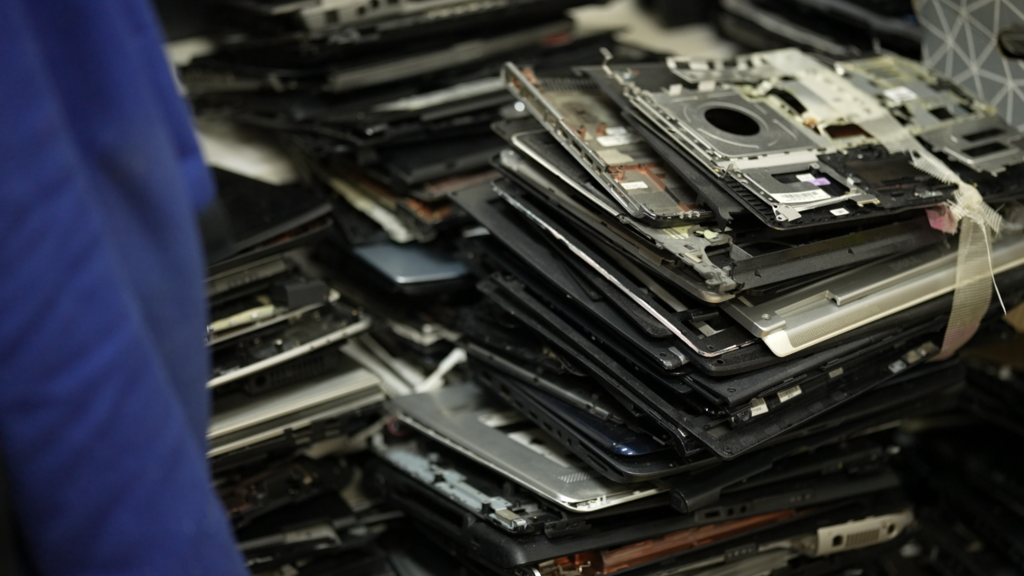
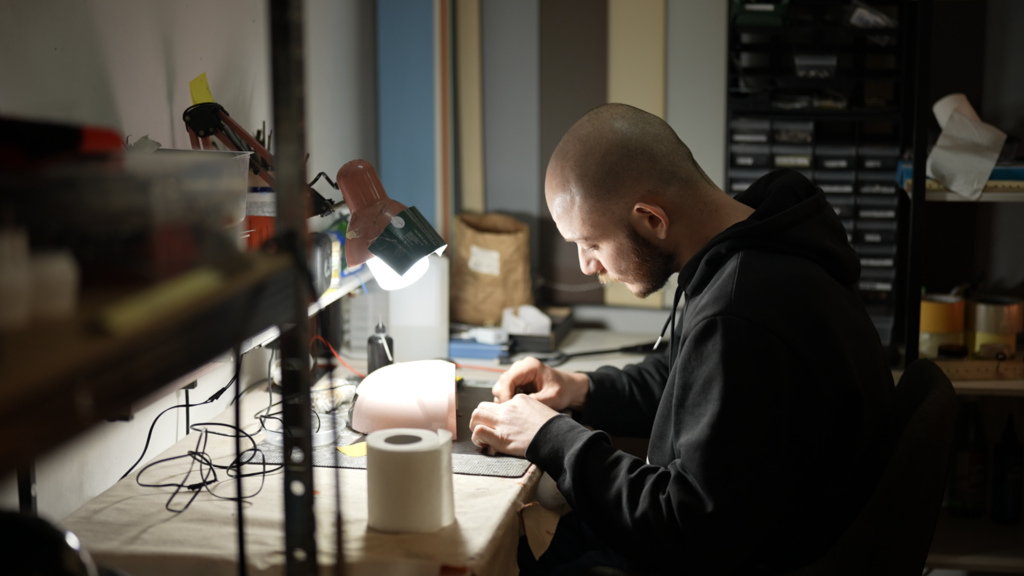
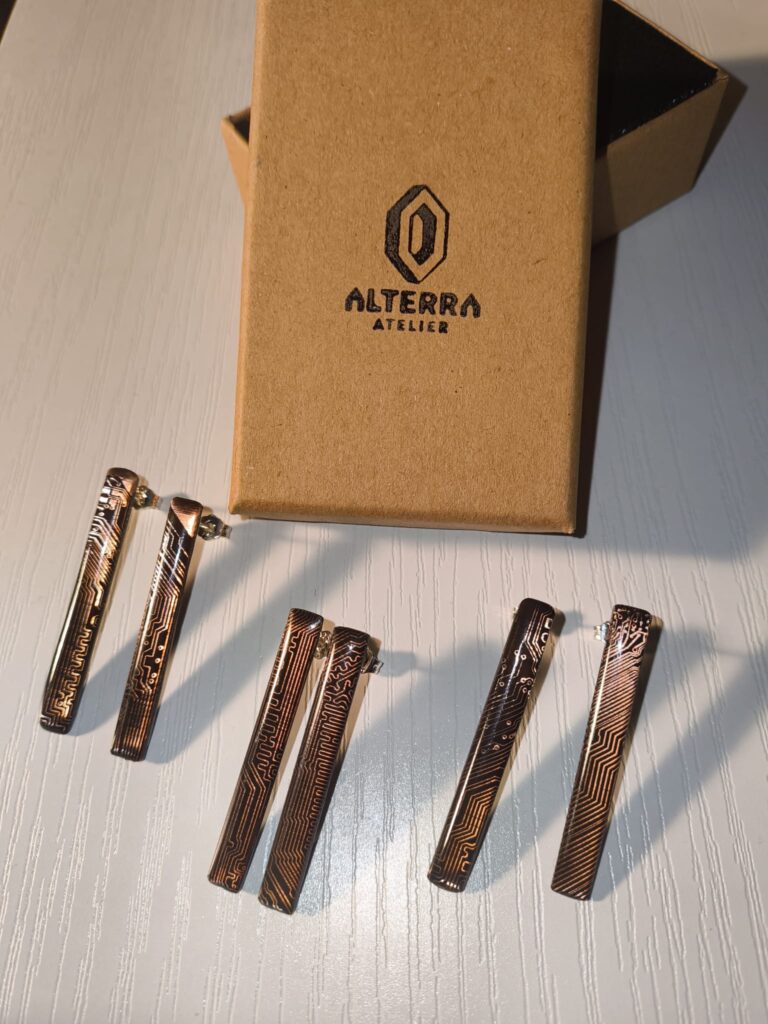
Andy Aelenei, founder of ALTERRA ATELIER in Romania, encounters this reality daily through his work with electronic waste. His enterprise focuses on upcycling discarded circuit boards and electronic components into design objects, accessories, and educational materials. What might otherwise end up in landfills is transformed into something visible, functional, and thought-provoking.
The idea behind ALTERRA ATELIER came from a simple observation. Despite the growing volume of electronic waste, very few initiatives focus on reusing circuit boards creatively. For Andy, this gap became an opportunity. Combining his personal interest in electronic components with environmental concerns, he set out to show that what we consider waste can still hold value, not just economically, but socially and educationally.
However, working with e-waste also means confronting deeply rooted misconceptions. One of the most common myths he encounters is the belief that old electronics should be stored at home because they might become valuable in the future. While it is true that electronic devices contain metals, keeping unused devices in drawers delays proper recycling and increases environmental impact.
This misunderstanding sometimes leads to suspicion about his work. Some people assume that he extracts valuable materials from circuit boards for profit, rather than using them for upcycling and education. These perceptions highlight how misinformation does not only distort facts but can also undermine trust in sustainable initiatives.
Instead of responding with confrontation, Andy relies on transparency and direct engagement. He explains his processes openly, shows how discarded materials are transformed, and invites people to see the work for themselves. Workshops, demonstrations, and open studio events allow participants to follow the journey of a circuit board from waste to finished product. In most cases, seeing the process first-hand is enough to dispel doubts.
This approach reflects a broader strength of green social enterprises. Unlike large industries, they operate close to communities and can act as testing grounds for new ideas. They do not just promote sustainability in theory but demonstrate it in practice. By doing so, they provide concrete examples that can inform both public understanding and policy discussions.
For Andy, entrepreneurship is also a way to bridge the gap between science and society. Recycling and material recovery are often seen as complex or distant processes. By turning them into visible, hands-on experiences, his work makes these concepts easier to understand, especially for young people. When someone interacts with an object made from e-waste, it naturally raises questions. Where did it come from? How was it made? What happens to other discarded electronics? These moments become entry points for learning and discussion.
At the same time, climate misinformation continues to influence how young people perceive environmental issues. According to Andy’s experience, some become disengaged because they feel individual actions do not matter, while others rely on the idea that future technologies will solve everything. Both perspectives can reduce motivation to act in the present.
This is where education plays a crucial role. Schools, youth workers, and NGOs can help by creating spaces where young people can ask questions, test ideas, and explore real solutions. Rather than relying only on abstract information, connecting education with local initiatives makes climate action more tangible and credible.
Collaboration is also key. Green entrepreneurs can work with educators, media, and content creators to translate complex topics into accessible formats. Short videos, behind-the-scenes stories, or interactive workshops can communicate ideas more effectively than traditional awareness campaigns filled with statistics. Andy suggests that creative approaches, such as city-based “art hunts” using e-waste installations, can engage people emotionally and intellectually at the same time.
While misinformation is not the only barrier to climate action, it plays a significant role in amplifying others. Confusion and false expectations can weaken public support, making it easier for decision-makers to delay action and harder for communities to support practical solutions.
Despite these challenges, there are reasons for optimism. Andy points to a growing shift, especially among young people, toward transparency and critical thinking. There is increasing interest in repair, reuse, and circular design, as well as a stronger demand for honest communication rather than greenwashing. Across Europe, regulatory changes and grassroots initiatives are gradually reinforcing this direction.
At its core, the work of ALTERRA ATELIER shows that combating climate misinformation does not always require complex campaigns. Sometimes, it starts with something simple: making processes visible, creating space for dialogue, and allowing people to experience sustainability first-hand.
When a discarded object is transformed into something meaningful, it does more than reduce waste. It challenges assumptions, sparks curiosity, and reminds people that change is not only necessary, but possible.
No responses yet