






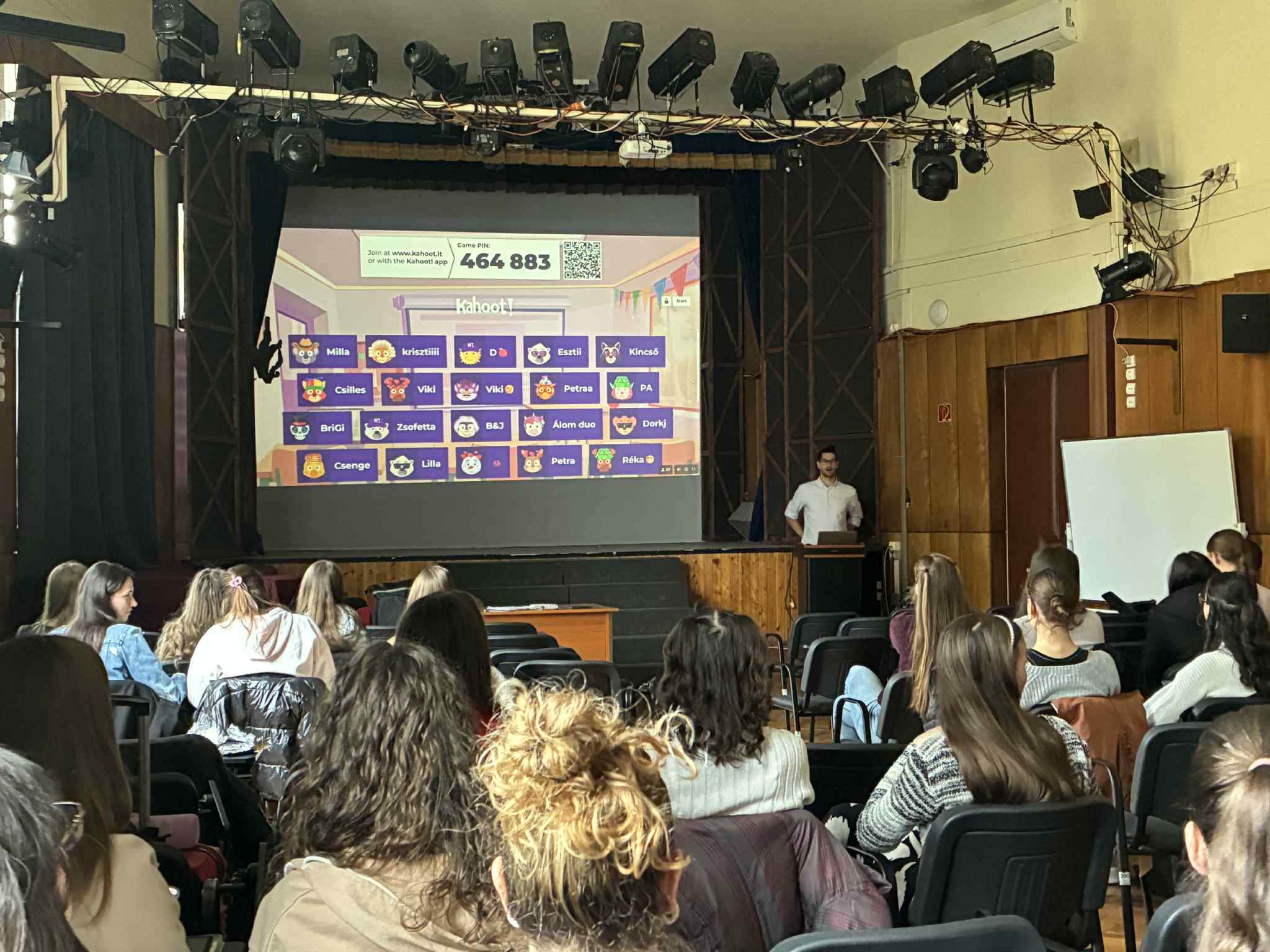
Young people today move through an online world filled with climate information, but not all of it is reliable. Misleading posts and viral myths spread quickly, often reaching large audiences before accurate explanations do. Research shows that misinformation thrives when content triggers emotions or appears familiar, which makes the ability to tell fact from myth an essential skill for anyone navigating climate discussions. The CHECKMATE project set out to support this need by creating interactive activities that help young people question information, think critically, and build confidence in evaluating climate claims.
One of the most engaging tools developed through the project was the Myth Busting Challenge. Instead of telling participants what to believe, the activity invited them to explore common statements about climate change and decide whether they were facts or myths. They worked with familiar examples such as cold winters supposedly disproving global warming or the idea that climate change is only a natural cycle. These myths appear constantly online, which made them ideal starting points for discussion. The CHECKMATE toolkit explains that misinformation often spreads because people misunderstand scientific concepts or lack access to trustworthy sources, so the challenge encouraged participants to slow down and look deeper.
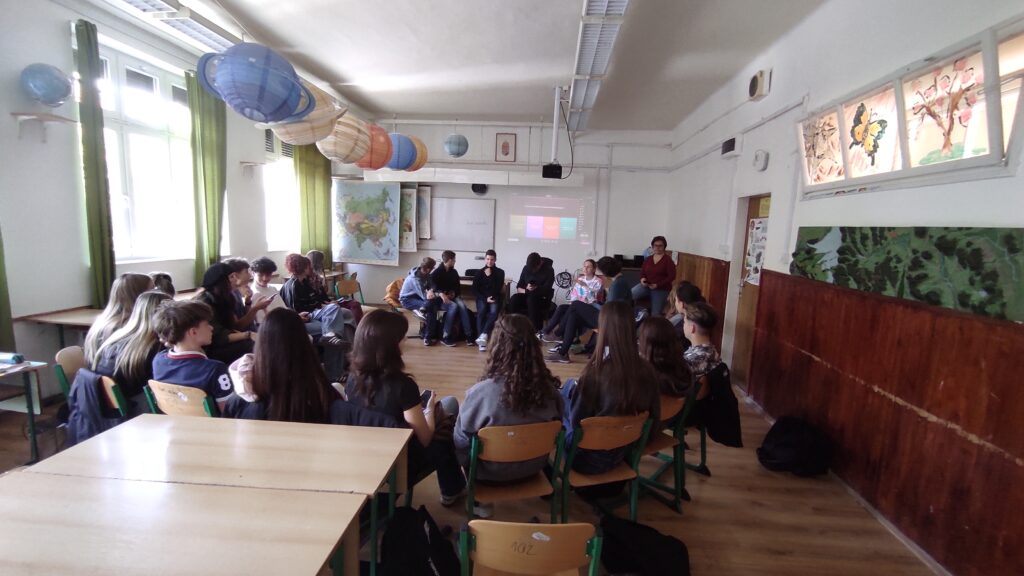
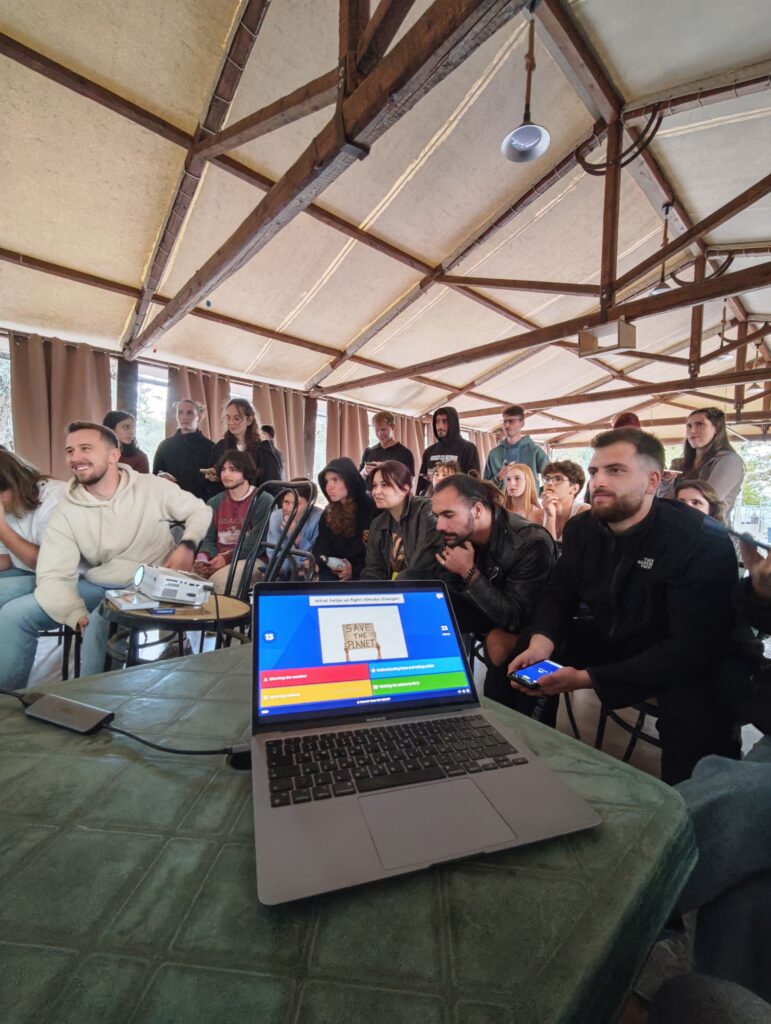
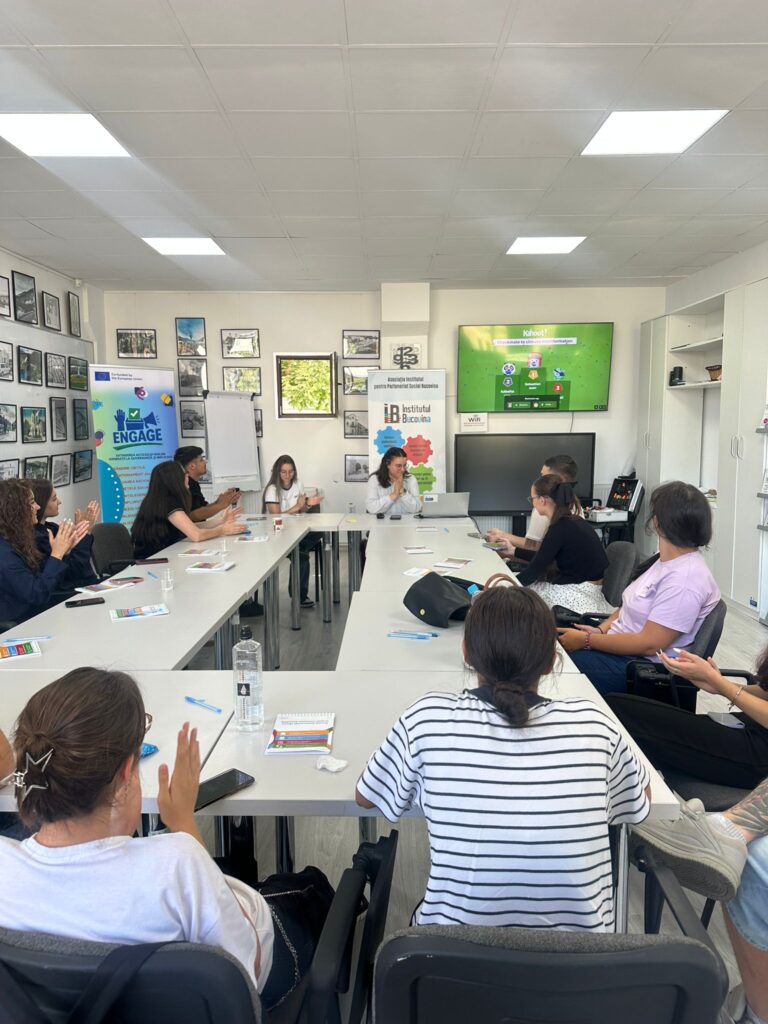
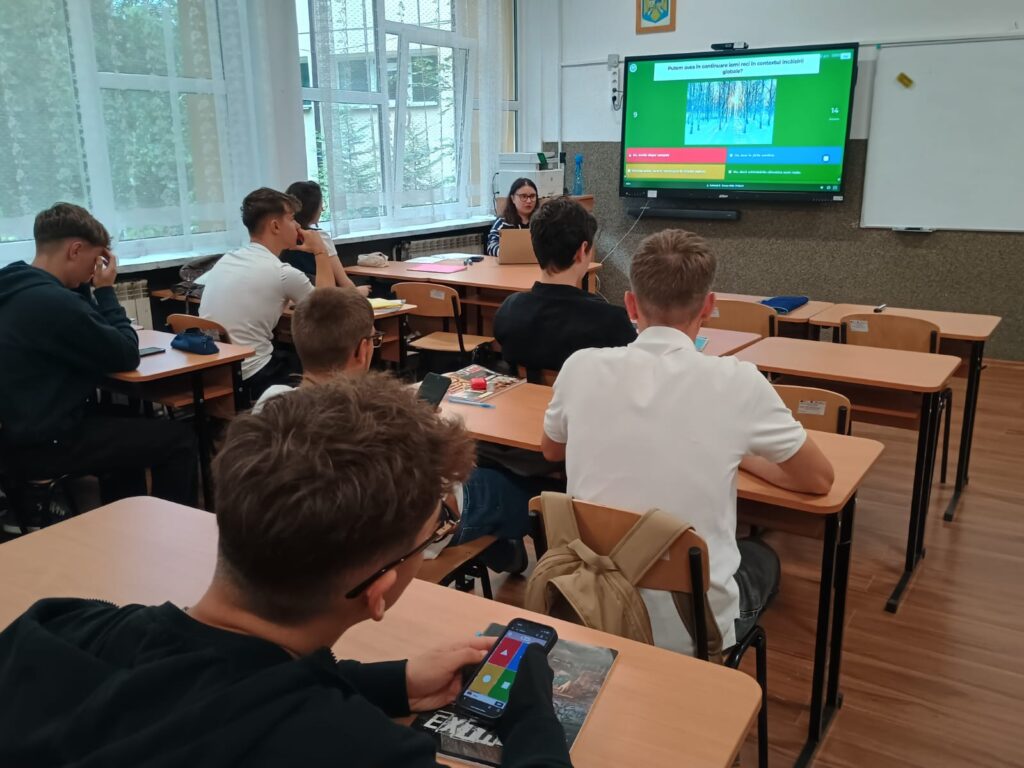
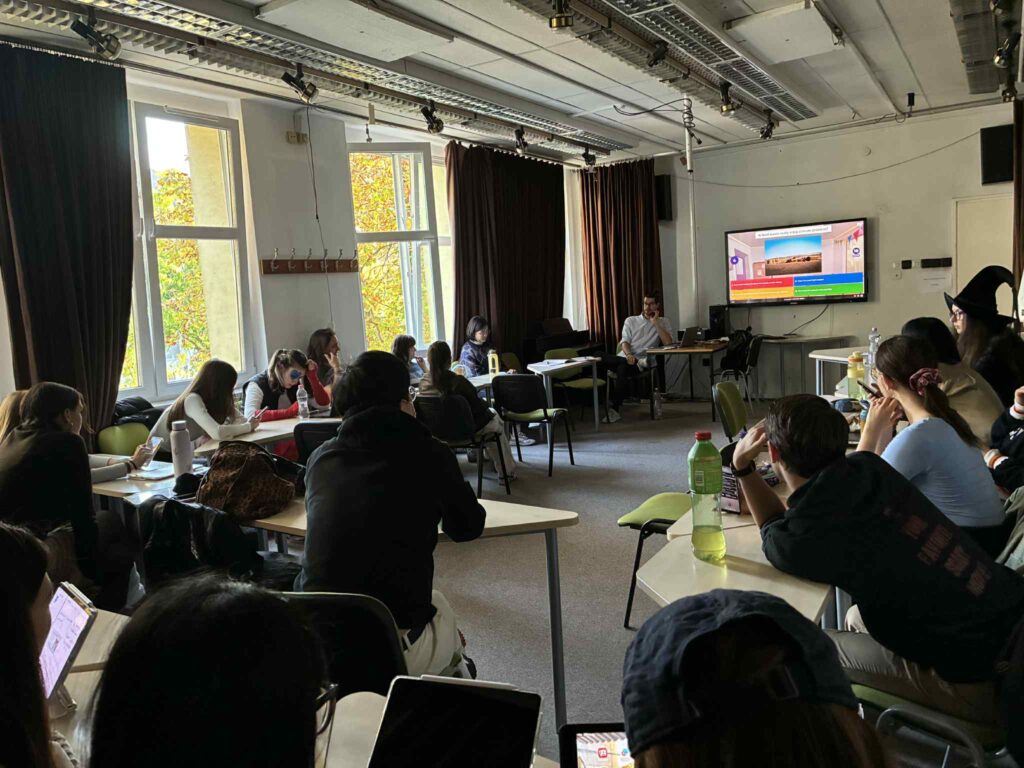
The activity was built around interaction. Young people worked in groups, investigated claims using fact checking tools, and compared information from reliable platforms. They examined why certain statements are misleading, what scientific evidence actually shows, and where misinformation tends to appear. This hands on approach turned them into investigators rather than passive listeners. It also reflects research showing that participatory and game based learning improves engagement and helps knowledge stick. The quiz format added a playful element that made the experience more dynamic and encouraged open conversation.
Across all partner countries, more than 500 young people took part in piloting the challenge. Their feedback helped refine the final version and ensured that the activity felt relevant to different contexts. Facilitators created a safe environment where no question was dismissed and everyone could express uncertainty without judgment. Many participants began unsure about climate topics, but by the end they could clearly explain why certain myths persist and how to verify information. The shift from doubt to confidence was one of the strongest outcomes of the project.
Beyond climate knowledge, the challenge helped participants develop broader media literacy skills. They learned how to check the credibility of sources, recognize emotional manipulation, compare information across platforms, and build arguments based on evidence. These skills are increasingly recognized as essential for active citizenship in a digital world. Youth workers also found the tool practical and easy to integrate into workshops, helping them create spaces where young people can explore complex topics together.
Perhaps the most meaningful impact came after the activity ended. Participants were encouraged to share at least one myth busting insight with someone they knew. This simple step helped spread accurate information and showed how young people can influence their communities. By giving them the tools and confidence to question what they see online, the CHECKMATE project supports a generation that is ready to take part in the climate conversation rather than watch from the sidelines.
The Myth Busting Challenge demonstrated that when young people are given space to explore and the right tools to guide them, they are fully capable of navigating complex issues like climate misinformation. Through interactive learning, collaboration, and critical thinking, the project helped them build skills that extend far beyond climate topics and contribute to a more informed and resilient society.
No responses yet